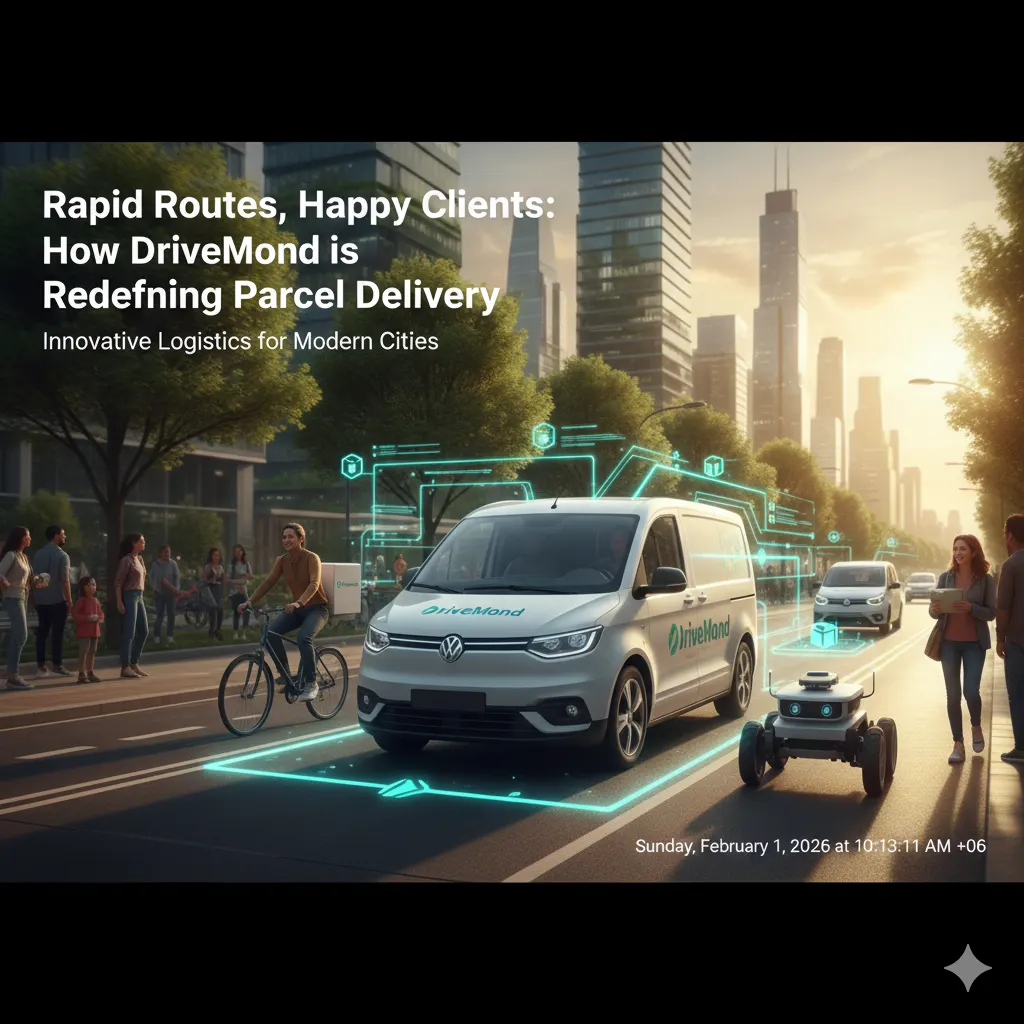
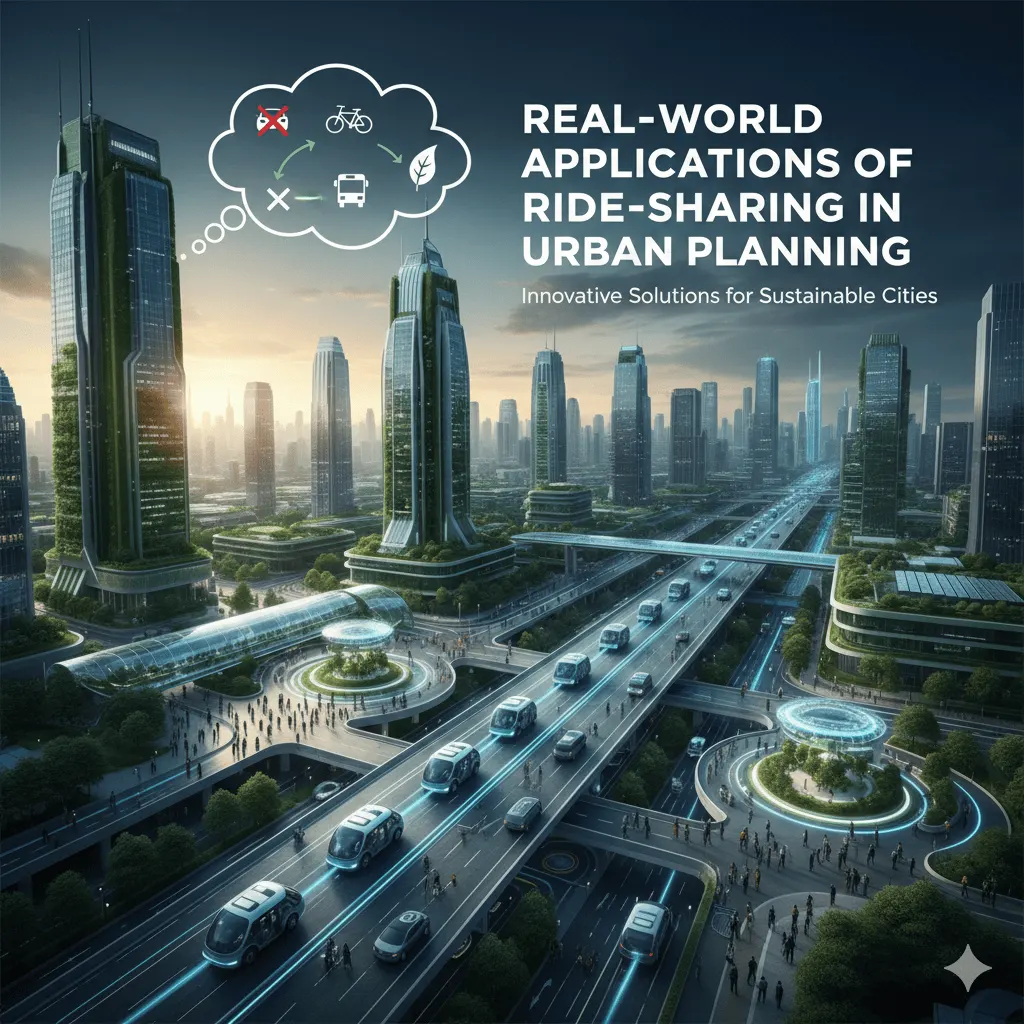
In the ever-evolving landscape of urban environments, ride-sharing platforms like DriveMond are playing a pivotal role in transforming how cities are planned and developed. As urban areas continue to grow and face challenges such as congestion, pollution, and limited public transportation options, ride-sharing offers innovative solutions that benefit riders, drivers, and city planners alike. Understanding the real-world applications of ride-sharing in urban planning is crucial for anyone involved in the transportation ecosystem.
Ride-sharing services contribute significantly to improving urban mobility by providing flexible and efficient transportation options. They fill the gaps left by traditional public transport systems, offering a convenient alternative for last-mile connectivity. This increased mobility helps reduce traffic congestion and promotes a more sustainable urban environment.
One of the most pressing issues in urban planning is traffic congestion. Ride-sharing platforms help alleviate this problem by encouraging carpooling and reducing the number of vehicles on the road. By optimizing routes and matching passengers traveling in the same direction, ride-sharing services can significantly decrease the volume of traffic, leading to smoother and faster commutes.
Ride-sharing aligns with the goals of sustainable urban development by promoting the use of shared resources. This approach not only reduces the carbon footprint but also encourages the efficient use of existing infrastructure. As cities strive to become more eco-friendly, ride-sharing emerges as a vital component of sustainable urban planning strategies.
Ride-sharing services enhance accessibility by providing transportation options to underserved areas that lack adequate public transit. This inclusivity ensures that all city residents, regardless of their location, have access to reliable transportation. By bridging these gaps, ride-sharing contributes to more equitable urban development.
Ride-sharing platforms generate vast amounts of data that can be invaluable for urban planners. Analyzing this data helps identify patterns in transportation needs and behaviors, enabling more informed decision-making. This data-driven approach allows for the optimization of city layouts and the development of infrastructure that meets the actual needs of residents.
In conclusion, ride-sharing is not just a convenient transportation option; it is a transformative force in urban planning. By enhancing mobility, reducing congestion, and supporting sustainable development, platforms like DriveMond are integral to the future of our cities. As urban areas continue to evolve, the role of ride-sharing in shaping these environments will only become more significant, offering benefits that extend beyond individual riders and drivers to the broader community.
Book and manage your rides anytime, anywhere.
Scan to DownLoad